

Gravity Storage: The Physics-Based Solution
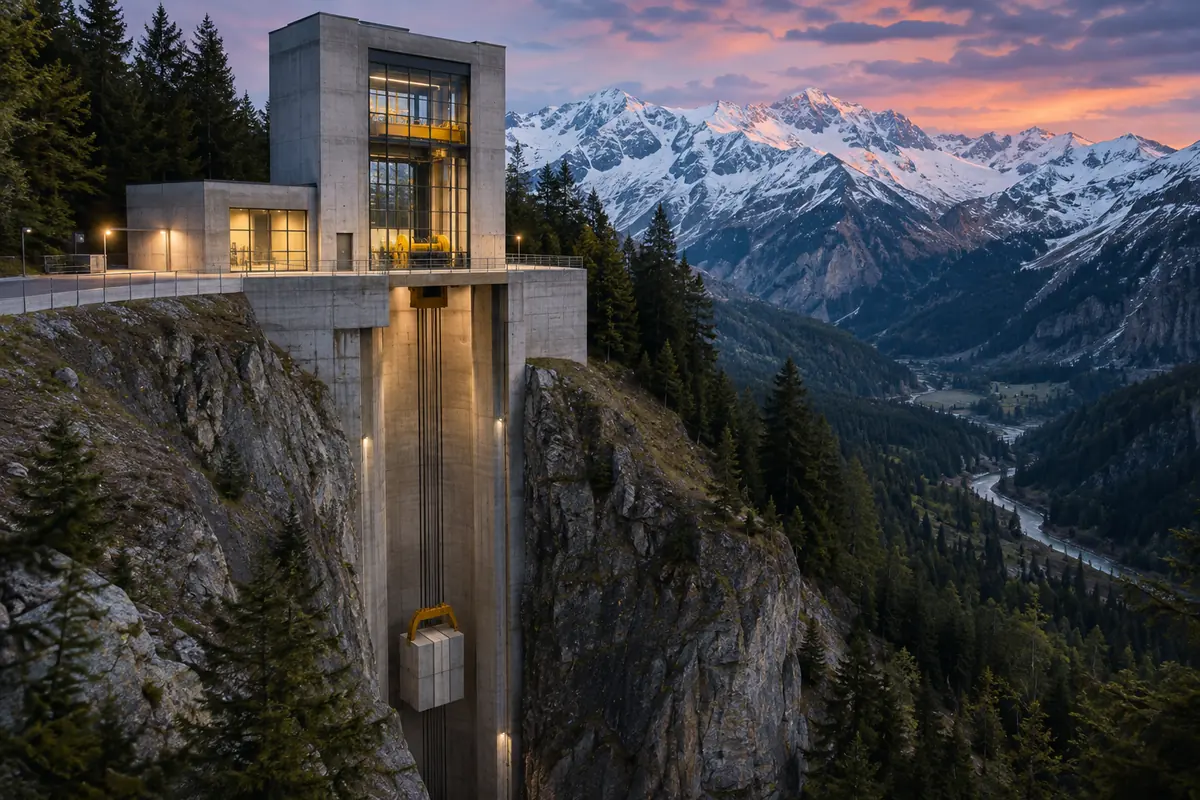
Concept for a gravity storage facility in mountainous terrain
As renewable energy adoption grows, gravity-based storage emerges as a durable, physics-backed solution for long-duration energy storage without rare earth materials.
How Gravity Storage Works
The fundamental principle uses potential energy:
- Excess energy lifts massive weights (pumped water or solid masses)
- Energy is released as weights descend under gravity
- Electromechanical systems convert motion to electricity (85-90% efficiency)
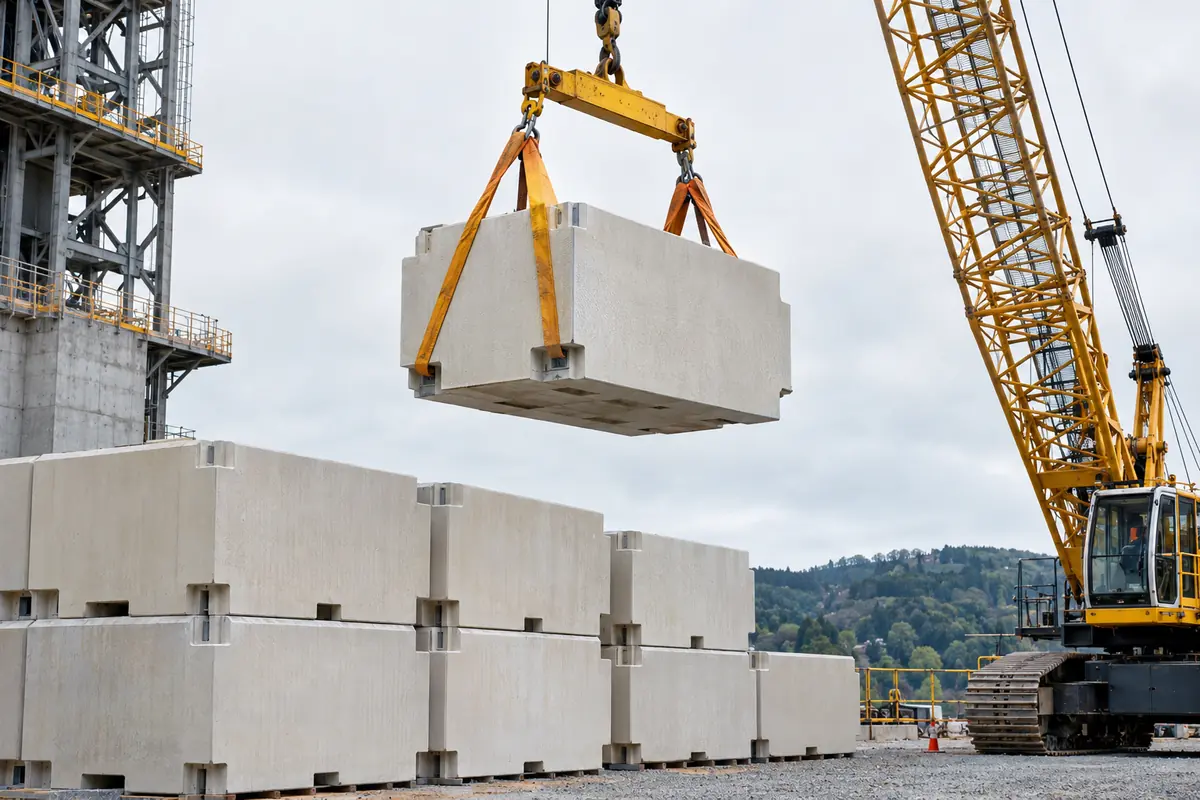
Composite blocks are lifted to store energy and lowered to release it
Current Implementations
Pumped Hydro Evolution
Next-gen pumped hydro without geographic constraints:
- Underground reservoirs in abandoned mines
- Modular tower systems (35MWh per unit)
- Seawater-based coastal systems
Solid Mass Systems
Innovative weight-based solutions:
- 35-ton composite blocks in automated towers
- Rail-based mountain slope systems
- Deep shaft designs (1km+ depth)
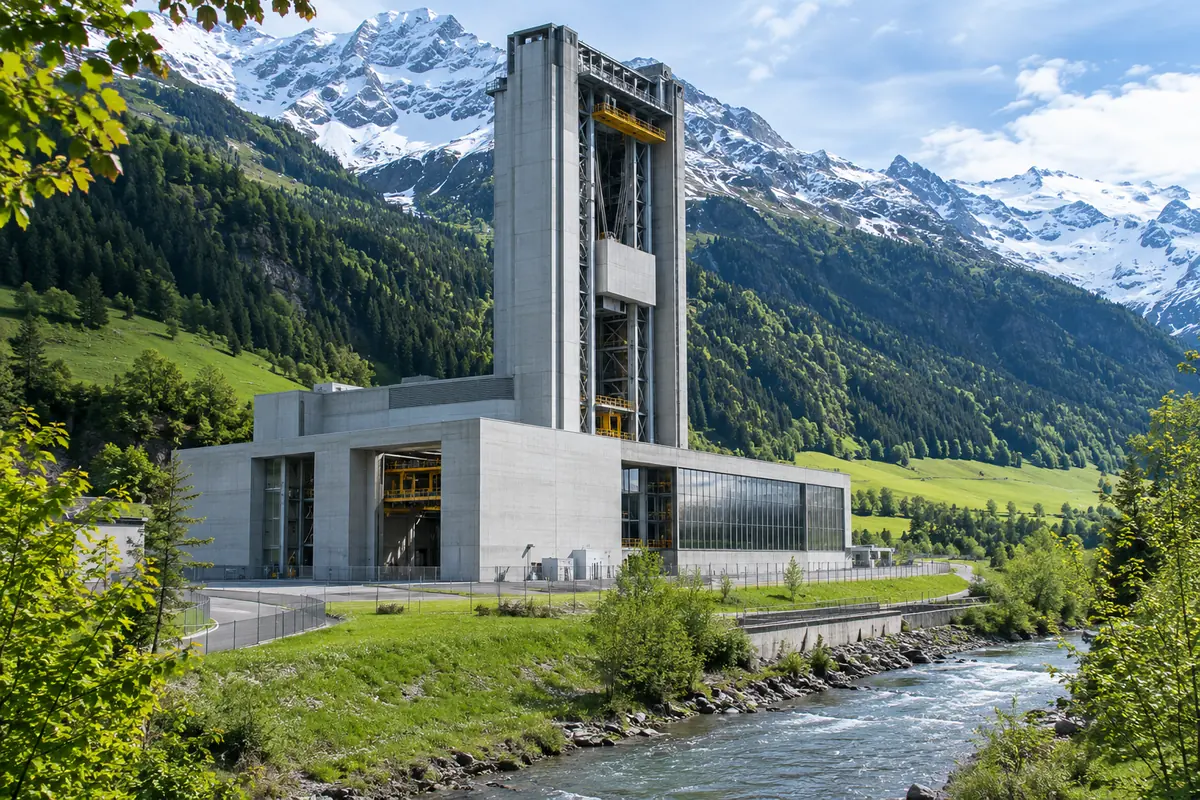
A commercial-scale gravity storage building
Advantages Over Batteries
Key benefits for grid-scale storage:
- 50+ year lifespan with minimal degradation
- No toxic materials or fire risk
- Scalable to 100MWh+ capacity
- Lower maintenance than chemical storage
Economic Viability
Current cost benchmarks:
- $120-150/kWh installed cost
- Projected $80/kWh by 2030
- 6-8 year payback periods