

The Future of Renewable Energy: Trends to Watch in 2025
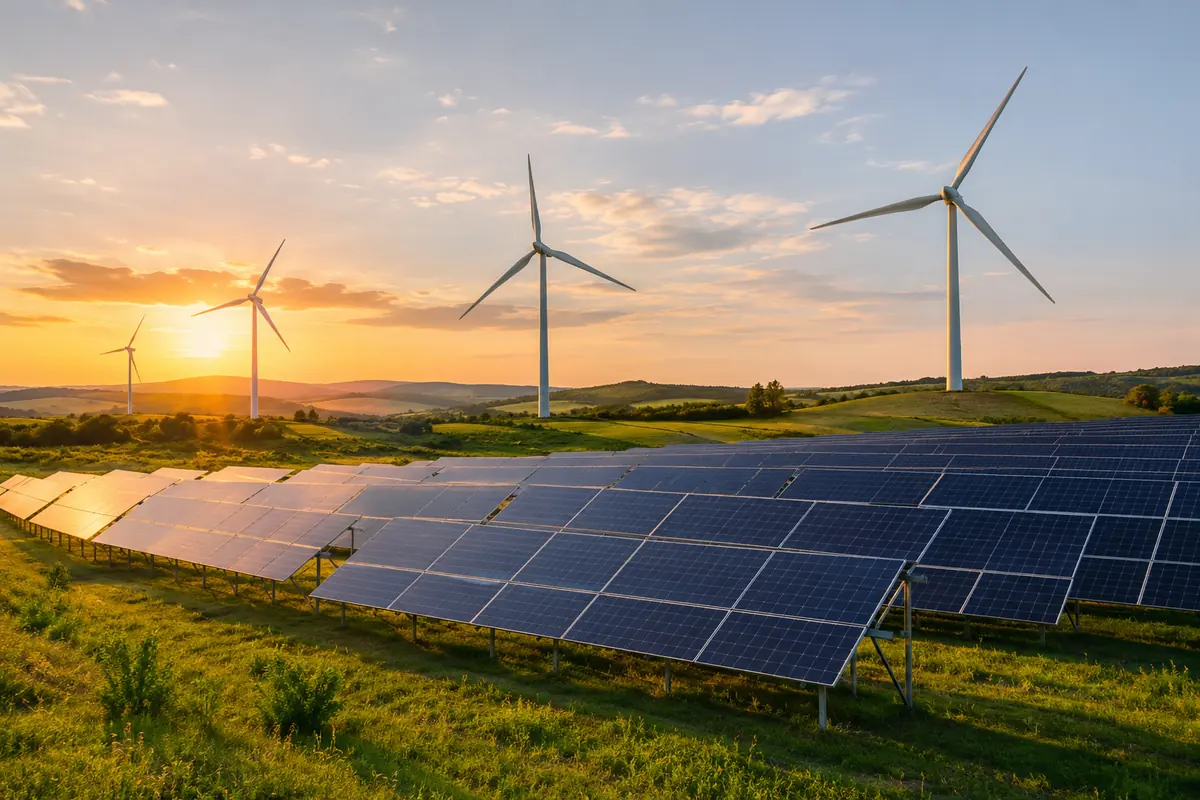
Wind and solar increasingly share the same land and grid connection
As the world accelerates its transition away from fossil fuels, renewable energy technologies are evolving at an unprecedented pace. This article explores the key developments shaping the sector and what they mean for consumers, businesses, and policymakers in this critical decade for climate action.
1. Solar Power Breakthroughs
Perovskite Solar Cells Reach Commercial Viability
After years of laboratory development, perovskite solar cells are finally entering mass production. These next-generation photovoltaic materials offer revolutionary advantages that could transform the energy landscape:
- 30% higher efficiency than traditional silicon cells, with laboratory prototypes now exceeding 33% conversion rates
- 50% reduction in manufacturing costs due to simpler production processes and abundant raw materials
- Flexible, lightweight form factors enabling new applications in vehicles, portable devices, and building integration
- Improved performance in low-light conditions, generating power earlier in the morning and later in the evening
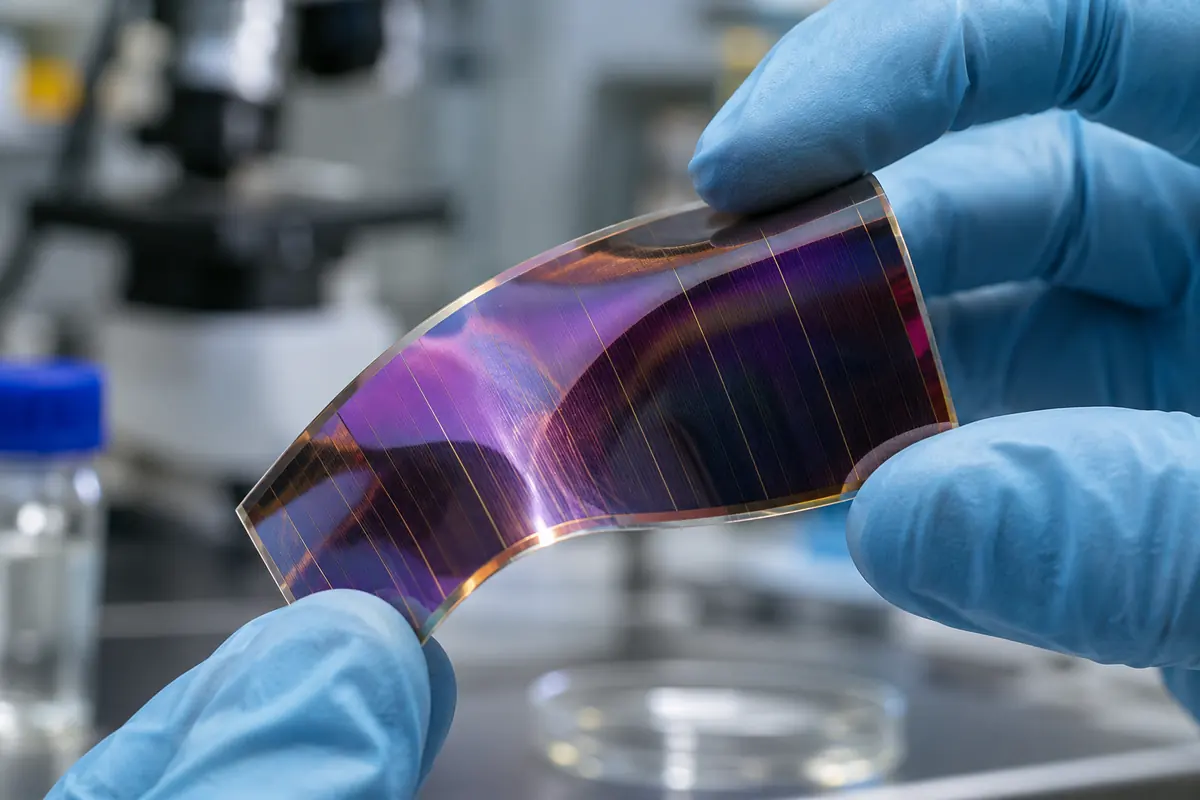
Perovskite cells can be printed on thin, flexible substrates
Building-Integrated Photovoltaics (BIPV)
The architectural revolution is here as solar technology becomes seamlessly incorporated into building materials. What began as niche applications has now become mainstream construction practice in progressive markets:
- Solar glass windows now achieve 15-20% transparency while generating 30 watts per square foot, with some installations powering entire office floors
- Solar roof tiles have achieved price parity with premium conventional roofing materials while offering 25-year performance guarantees
- Photovoltaic concrete developments at Swiss laboratories show promising results, with test structures generating 50 watts per square meter of vertical surface
- Curtain wall systems now incorporate invisible solar cells between glass panes, turning skyscrapers into vertical power plants
2. Wind Energy Innovations
Floating Offshore Wind Farms
The ocean energy frontier is expanding dramatically as floating turbine technology matures. Recent projects demonstrate the staggering potential:
- Access to wind resources 50% stronger than coastal sites, with capacity factors now exceeding 60% at premier locations
- Environmental benefits including reduced bird strike risks and elimination of seabed disruption
- New 20MW turbine designs specifically engineered for floating platforms, with rotor diameters exceeding 250 meters
- Hybrid platforms combining wind with wave energy converters and hydrogen production facilities
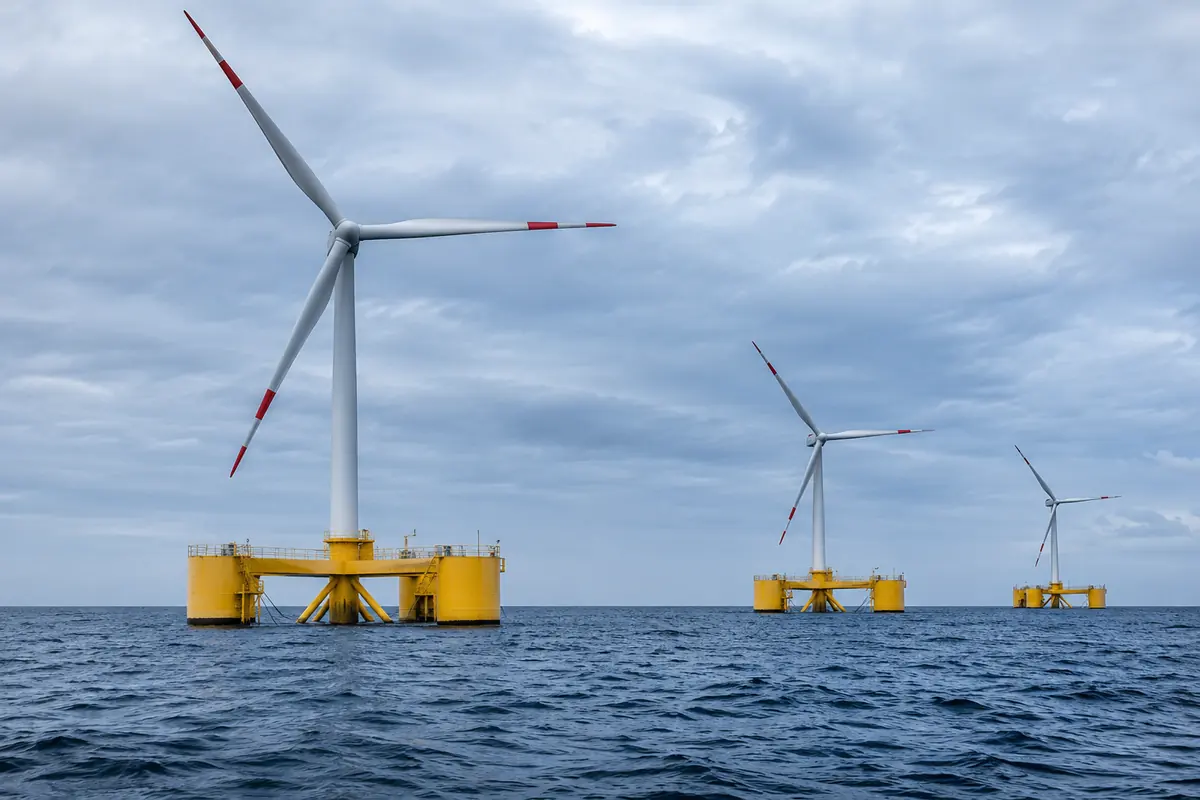
Floating turbines reach deep-water sites where winds are stronger
Vertical Axis Wind Turbines (VAWT)
The urban wind revolution is quietly gaining momentum as VAWT technology addresses previous limitations:
- New helical designs achieve 45% efficiency while eliminating the need for orientation mechanisms
- Magnetic levitation bearings reduce maintenance needs to just annual inspections
- Building-integrated vertical turbines now contribute 15-20% of energy needs for high-rise structures
- Modular systems allow homeowners to start small and expand as needs grow
3. Energy Storage Solutions
The missing piece of the renewable puzzle is rapidly being solved through multiple technological pathways:
Solid-State Batteries
The storage revolution is accelerating with commercial-scale solid-state battery factories now coming online. These systems offer:
- Energy densities exceeding 500 Wh/kg, doubling lithium-ion performance
- Charge times reduced to under 10 minutes for grid-scale installations
- Elimination of thermal runaway risks that plague conventional batteries
- Projected 30-year operational life with minimal degradation
Gravity Storage
As renewable penetration increases, innovative gravity-based solutions are proving their worth:
- First commercial-scale projects now operating in Switzerland and Nevada
- Round-trip efficiency of 85% competes favorably with pumped hydro
- Underground shaft systems minimize land use requirements
- Modular designs allow incremental capacity expansion
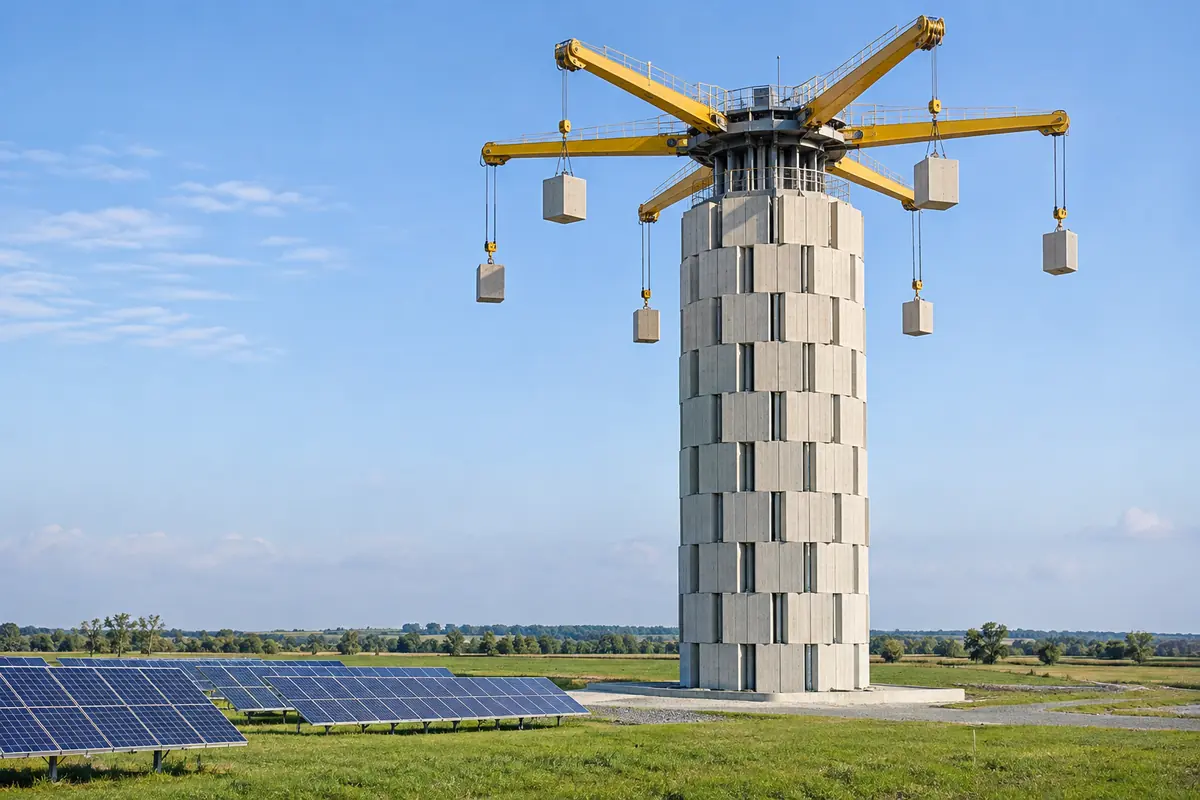
Gravity storage lifts heavy blocks when power is cheap and lowers them to generate
Conclusion: The Path Forward
The renewable energy transition has reached an inflection point where technological feasibility, economic viability, and political will are converging to create unprecedented momentum. As we look toward 2025 and beyond, several key trends emerge:
First, the cost advantage of renewables has become insurmountable. Solar and wind now undercut fossil fuels by 30-50% in most markets, even without accounting for environmental externalities. This economic reality is driving investment at scales unimaginable just five years ago.
Second, the innovation pipeline continues to deliver breakthroughs at an accelerating pace. From perovskite tandem cells achieving 40% efficiency in lab settings to floating wind platforms surviving category 4 hurricanes, the technological barriers are falling faster than predicted.
Third, the integration challenge is being met through smart grids, demand response systems, and diversified storage solutions. What was once considered renewable energy's Achilles heel is becoming its strength, with digital technologies enabling grids that are more resilient and flexible than their fossil-dependent predecessors.
However, significant challenges remain. Critical mineral supply chains need strengthening, grid infrastructure requires massive investment, and policy frameworks must evolve to keep pace with technological change. The workforce transition needs careful management to ensure fossil fuel-dependent communities aren't left behind.
The coming year will be pivotal as nations implement their enhanced climate commitments. With the right mix of policy support, private investment, and public engagement, 2025 could mark the year when global emissions peak and begin their permanent decline. The renewable energy revolution isn't just coming—it's already here, and its momentum is unstoppable.